
Real Estate
Wisconsin election: School referendums on the November ballot
By Marcus Chen
Advertisement · Why this ad?
Marcus manages the day-to-day editorial workflow across all brands, coordinating coverage assignments and ensuring editorial standards are met. He previously served as city editor at the Pioneer Press and holds a degree in Political Science from Carleton College.
More from Marcus →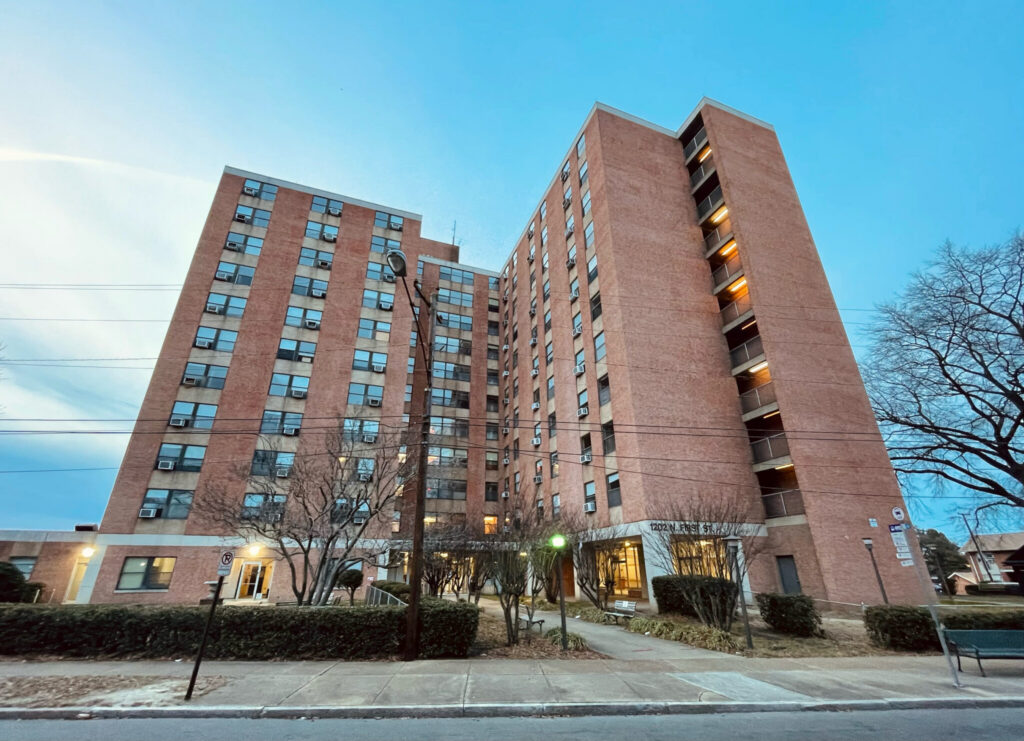
As the sun sets over Brookfield, families gather in their backyards, children laughing as they chase fireflies. Yet beneath this picturesque scene lies a growing concern: the struggle for low-income renters to find affordable housing. A recent report reveals that fewer than 1 in 20 rental listings across major U.S. cities cater to this demographic, raising alarms about housing accessibility in communities like Brookfield.
According to data from Apartments.com, only 4.6% of rental listings in the 50 largest metro areas were classified as "income-restricted" in the third quarter of this year. This classification includes options like public housing, housing vouchers, and tax-credit properties. The report analyzed over 70,000 active listings, highlighting a troubling trend for low-income renters.
While the average rent for income-restricted units fell in 13 out of the 50 markets year over year, the overall availability remains alarmingly low. The average income-restricted rent across these metros is $1,448 per month, compared to market-rate rents, which average $1,756. In Brookfield, the situation mirrors national trends, with families feeling the pinch as they strive to secure stable housing.
In Washington, D.C., the most expensive housing market in the nation, there are 227 income-restricted units available. San Antonio boasts the highest percentage of such listings, with 12.4% of its total rentals classified as income-restricted. Austin follows closely behind at 11.7%, while cities like Richmond and Norfolk, Virginia, also show strong availability.
In stark contrast, the San Francisco Bay Area has only 4.2% of its listings marked as income-restricted, reflecting a broader issue of affordability in high-demand areas. For Brookfield residents, these statistics underscore the challenges faced in finding affordable housing options, particularly for families striving to maintain stability.
The implications of these findings are profound. As the cost of living rises, many families find themselves squeezed between stagnant wages and increasing housing costs. The struggle for affordable housing can lead to instability, affecting not just individual households but the community as a whole. Strong families are the backbone of Brookfield, and when housing becomes a burden, it strains relationships and overall community health.
Local organizations, such as the Brookfield Chamber of Commerce, are working to address these challenges by advocating for policies that support affordable housing initiatives. These efforts are crucial in ensuring that families can thrive in their communities.
Residents like Sarah and Tom Johnson, who have lived in Brookfield for over a decade, express their concerns about the housing market. “We love this community and want to raise our children here, but the rising costs make it hard to stay,” Sarah says. Their story reflects a growing sentiment among many families who fear displacement due to escalating rents.
Community leaders are taking notice. Mayor Lisa Lutz recently addressed the issue at a town hall meeting, emphasizing the need for more affordable housing options. “We must work together to ensure that Brookfield remains a place where families can build their lives without the constant worry of housing insecurity,” she stated, rallying support for local initiatives.
The situation may be further complicated by proposed changes to federal housing assistance programs. The U.S. Department of Housing and Urban Development (HUD) has suggested allowing public housing authorities to impose work requirements and time limits on certain rental assistance recipients. This potential shift could create additional barriers for families already struggling to secure housing.
Local advocates are voicing their concerns about these changes, fearing they may disproportionately affect low-income families. The proposed alterations could lead to increased homelessness and instability, undermining the very fabric of communities like Brookfield. As families face these challenges, it is vital for local leaders to engage in dialogue with residents to understand their needs and advocate for policies that promote stability.
As Brookfield navigates the complexities of housing affordability, community members are urged to stay informed and involved. Local organizations are hosting forums and workshops to educate residents about their rights and available resources. Families are encouraged to participate actively in discussions about housing policies and advocate for solutions that prioritize stability and accessibility.
In the coming months, Brookfield will continue to face challenges in the housing market, but there is hope. By fostering strong community ties and advocating for effective policies, residents can work together to create a future where families can thrive without the looming threat of housing insecurity. The American dream of owning a home and raising a family in a safe, supportive environment is still within reach, but it will require collective effort and commitment.
In response to the housing crisis, Brookfield has seen a rise in local initiatives aimed at addressing the affordability issue. Nonprofit organizations like City of Brookfield website are stepping up to provide resources and support for low-income families. They are working on projects that not only aim to increase the availability of affordable housing but also provide financial literacy programs to help families manage their budgets effectively.
Moreover, Brookfield's city council has initiated discussions about potential zoning changes that would allow for more mixed-income developments. These developments could provide a broader range of housing options, making it easier for families of various income levels to coexist within the community. Such changes could be transformative, as they would encourage diversity and inclusivity in housing, allowing more families to settle in Brookfield.
Additionally, community leaders are exploring partnerships with private developers to create affordable housing units. These partnerships could leverage both public and private funding to maximize the impact on the housing market. Local developers are being encouraged to consider affordability in their projects, with incentives provided for those who commit to including income-restricted units.
As Brookfield looks ahead, the potential for change is on the horizon. With community engagement, advocacy, and strategic planning, residents can work towards a future where affordable housing is not just a dream but a reality for all families.
For more information on housing resources, residents can visit the City of Brookfield website or connect with local nonprofits dedicated to housing advocacy.
By Marcus Chen

By Katherine Langford

By Marcus Chen

By Marcus Chen