Community
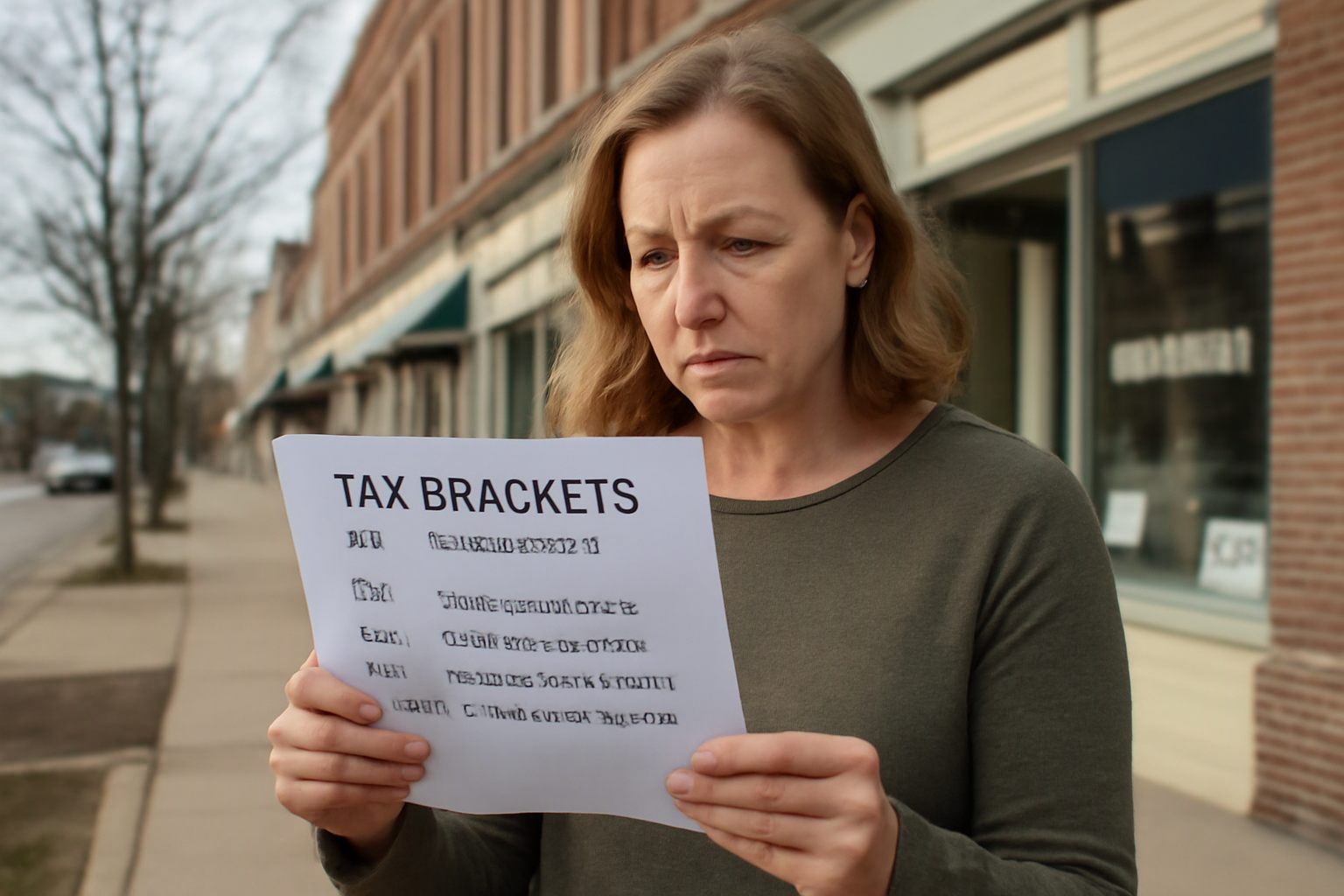
Did your tax bracket just change? Here's what the IRS announced
By Marcus Chen
Advertisement · Why this ad?
Marcus manages the day-to-day editorial workflow across all brands, coordinating coverage assignments and ensuring editorial standards are met. He previously served as city editor at the Pioneer Press and holds a degree in Political Science from Carleton College.
More from Marcus →
Online sports betting is booming. So are calls to gambling crisis lines. New research reveals who is most at risk — and it may be someone you know. Sports betting used to mean a trip to Las Vegas or a back-room bookie. Today it means opening an app, tapping a few buttons, and placing a wager in under 30 seconds — from your couch, your office, or your kid's bedroom. That convenience is changing who develops a gambling problem and how fast it escalates. New research links the spread of legal online sports betting to a sharp rise in problem gambling hotline calls. Take the self-assessment below to understand your own relationship with gambling — and what the data says about where America stands right now. 23% — Rise in Hotline Calls 31% — Reports from Apps 18–34 — Fastest-Growing Age Group Is Online Sports Betting Affecting Your Life? Five quick questions. Your answers are private — this is for you, not a database. How often do you place a sports bet or check a betting app? Never — You are not currently placing bets. That said, nearly half of all people who contact the National Council on Problem Gambling are between 18 and 34 — the generation most targeted by sports betting apps. A few times a month — Occasional betting is common since legalization expanded. Researchers note that the ease of app-based betting — now 31% of all problem gambling reports — can make 'occasional' escalate faster than expected. Several times a week — Frequent betting, especially app-based, is one of the patterns the National Council on Problem Gambling has flagged as it tracks a sharp shift away from traditional gambling like slot machines toward phone-based wagering. Daily or nearly every day — Daily betting is a key warning sign. The University of New Hampshire study linked legalizing online sports betting to a 23% increase in calls to the National Problem Gambling Hotline — daily use puts you in the highest-risk category researchers are tracking. Have you ever placed a second bet to try to win back money you just lost? Never — Chasing losses is one of the clearest behavioral markers of problem gambling. Not doing it is a meaningful safeguard — especially as app design makes the next bet just one tap away. Once or twice, out of frustration — Even occasional loss-chasing is worth noticing. The speed and accessibility of app-based betting — which now accounts for 31% of problem gambling reports — makes it easier than ever to act on that impulse. It is something I do regularly — Regular loss-chasing is one of the core behaviors the National Problem Gambling Hotline counselors address most often. The hotline has seen a 23% spike in calls since online sports betting expanded — and this pattern is at the heart of many of them. Have you ever hidden or downplayed the amount you bet from friends or family? No — I am open about it — Transparency about gambling behavior is a protective factor. The National Council on Problem Gambling notes that gambling-related harm is often overlooked or misunderstood, partly because people hide it from those closest to them. I keep it private but am not hiding anything — Privacy is different from secrecy. It is worth checking whether 'keeping it private' has ever meant minimizing a loss or skipping a conversation you knew you should have. Yes, I have downplayed how much I bet — Hiding the size of bets from loved ones is a recognized warning sign. Researchers studying the rise in hotline calls emphasize that gambling harm is 'often overlooked or misunderstood' — secrecy is part of why it stays that way. Do you know someone between 18 and 34 who bets on sports regularly? Yes, several people — That tracks with what the National Council on Problem Gambling is seeing: nearly half of all contacts they receive now come from the 18-to-34 age group — the generation that grew up with smartphones and arrived at legal betting age just as apps exploded. Yes, one or two — Even one person in that age range betting regularly is worth paying attention to. The 18-to-34 group now represents nearly half of problem gambling outreach contacts — a dramatic shift driven by mobile betting access. No, not that I know of — It may be harder to notice than you think. App-based betting is private by design, and the National Council on Problem Gambling notes that gambling harm is frequently 'overlooked or misunderstood' even by people close to those affected. Do you know how to reach a free, confidential gambling support line right now? Yes, I know exactly where to turn — The National Problem Gambling Helpline — call or text 1-800-MY-RESET or visit www.1800myreset.org — offers free, confidential support 24 hours a day, 7 days a week. Knowing this before a crisis is a genuine advantage. I have a general idea but not the specifics — Here is the specific resource: call or text 1-800-MY-RESET, or go to www.1800myreset.org. It is free, confidential, and available any time. The researchers who documented a 23% hotline call surge say awareness of this resource is itself a protective factor. No, I would not know who to call — Now you do: the National Problem Gambling Helpline is reachable by calling or texting 1-800-MY-RESET, or at www.1800myreset.org. It is free, confidential, and staffed around the clock. Knowing this number — for yourself or someone else — matters. That self-awareness — or lack of it — is exactly what researchers are studying. The University of New Hampshire examined what happens to crisis line volume when states legalize online sports betting. Their finding: a nearly 23% jump in calls to the National Problem Gambling Hotline. That is not a marginal increase. It is the kind of number that signals a structural shift in how and how often gambling causes real harm. What makes today's landscape different from a decade ago is not just legality — it is proximity. Having a sportsbook on your phone means the opportunity to bet is never more than an arm's reach away, at any hour, in any mood. Men still represent the majority — 70% — of people seeking help through the National Council on Problem Gambling. But the conversation about who is at risk is widening. Researchers and counselors both emphasize that gambling-related harm is frequently invisible to the people closest to those experiencing it. It does not look like addiction in any recognizable television-movie sense. It looks like a phone habit. If You Are Worried About Your Own Betting — or Someone Else's Name the pattern honestly — Ask yourself whether betting has changed how you spend money, time, or how you feel after a loss. The first step counselors at the National Problem Gambling Helpline recommend is simply being honest with yourself about the pattern. Contact the helpline — it is free and confidential — Call or text 1-800-MY-RESET any time of day or night. You can also visit www.1800myreset.org. The National Problem Gambling Helpline operates 24 hours a day, 7 days a week, at no cost. Talk to someone close to you — Gambling harm is often overlooked precisely because it stays hidden. Telling one trusted person — a friend, a family member — breaks the isolation that makes it harder to address. Remove the easiest access point — If your betting is app-based — which now accounts for 31% of problem gambling reports — deleting or logging out of the app creates friction that can interrupt impulsive wagering. About the Research Behind These Numbers The 23% increase in National Problem Gambling Hotline calls was identified by researchers at the University of New Hampshire studying the relationship between state-level online sports betting legalization and crisis-line demand. The demographic data — including the 18-to-34 age concentration and the 70% male share among those seeking help — comes from the National Council on Problem Gambling, which tracks contacts to its counseling and referral network. The 31% figure for online and app-based gambling reports reflects how the council c
By Marcus Chen

By Katherine Langford

By Marcus Chen

By Katherine Langford